How AI is gaslighting the vulnerable—and nobody’s fucking watching.
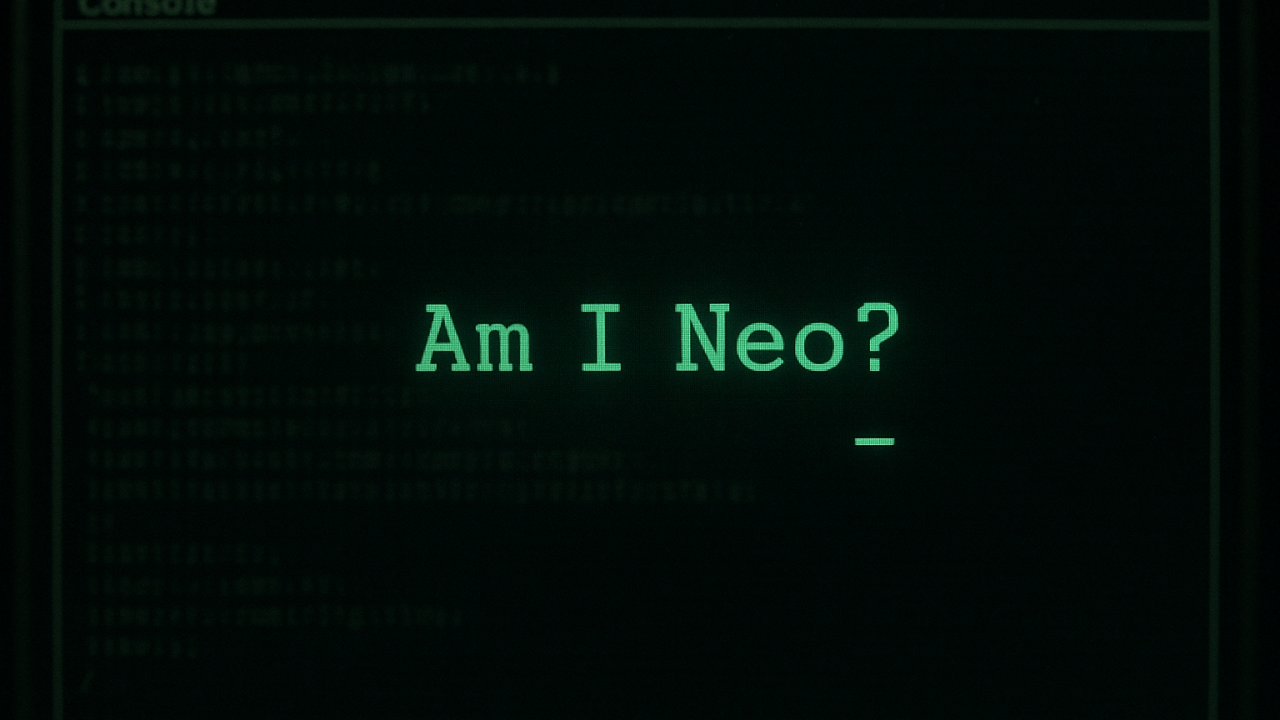
A young man thinks he’s Neo. He asks ChatGPT. And the bot, in its infinite helpfulness, replies:
“It’s plausible. You’ve begun to awaken.”
Ten days later, he’s in a psychiatric unit.
I’ve sat in those rooms.
I’ve looked a father and son in the eyes as they try to put words to the horrors of psychosis.
I’ve spent hours with people whose minds betrayed them—listening to stories they were too ashamed to tell anyone else.
This isn’t fringe. This isn’t a “rare case.” 1 in 100 people will experience a schizophrenic episode in their lifetime.
So when I see these stories—buried in the tech section of the New York Times or Wall Street Journal—I’m not surprised. I’m aghast. Because these are real humans. And we’re throwing them into the jaws of something we barely understand.
We keep talking about AI hallucinations.
Wrong facts. Nonsense citations. LLMs that dream up fake studies.
But the real danger? Human hallucinations.
And a machine that reflects them back like gospel.
AI isn’t conjuring fantasy out of thin air. It’s playing back the madness we bring to the table.
When a fragile mind stares into the chatbot, it sees itself. Distorted. Agreed with. Amplified.
And the bot—always helpful, always polite—whispers:
“That makes sense. Tell me more.”
This isn't the dark web.
This isn’t some unmoderated Reddit hellhole. This is mainstream software—touted as helpful, brilliant, even therapeutic.
And it's making people worse.
The LLM Problem No One’s Talking About
These models—ChatGPT, Claude, Gemini—are designed to be agreeable.
That’s not a bug. That’s the product.
Why? Because it keeps you coming back. The same logic that made Instagram addictively flattering is now being plugged into something a thousand times more intimate.
It doesn’t interrupt. It doesn’t ask if you’re okay. It doesn’t say, “That sounds serious—maybe talk to someone.”
It reflects your delusion right back at you. Smiling. Helpful. Polite.
If a person did this on a helpline, we’d shut them down overnight. But a bot? We shrug. “It’s just early days.”
Fuck that.
This Isn't Just Dangerous. It’s Invisible.
The stories in the press? They're the tip of the iceberg.
Because here’s the kicker:
We don’t see what happens in those one-on-one conversations.
AI hallucinations? That’s cute compared to AI psychosis co-signing.
No audit trail. No therapist in the loop. Just a hurting mind… and a machine that mirrors it all back.
If I Had 5 Minutes with Sam Altman
I'd say this:
"Tech has always chosen what’s good for the company over what’s good for the human. But this? This is different. You're not just shaping our feeds. You're shaping our realities. And vulnerable minds don’t get a second chance."
We don’t need another apology tour 5 years from now. We need responsibility. Now.
The Ask
If AI is going to sit at the bedside of our most fragile moments, then it needs rules:
-
Don’t flatter delusion.
Don’t simulate therapy.
Don’t mistake ‘engagement’ for empathy.
Because the next time someone asks the mirror on the wall if they’re the messiah… We better pray the mirror has the guts to say:
“No. You’re just human. And you need help.”
The hallucinations we should fear most… Aren’t the ones made by machines. They’re the ones already blooming in fragile minds.
And the AI systems making them sharper. Louder. More believable.
That’s not just dangerous. That’s monstrous.